The date your risk profile changes
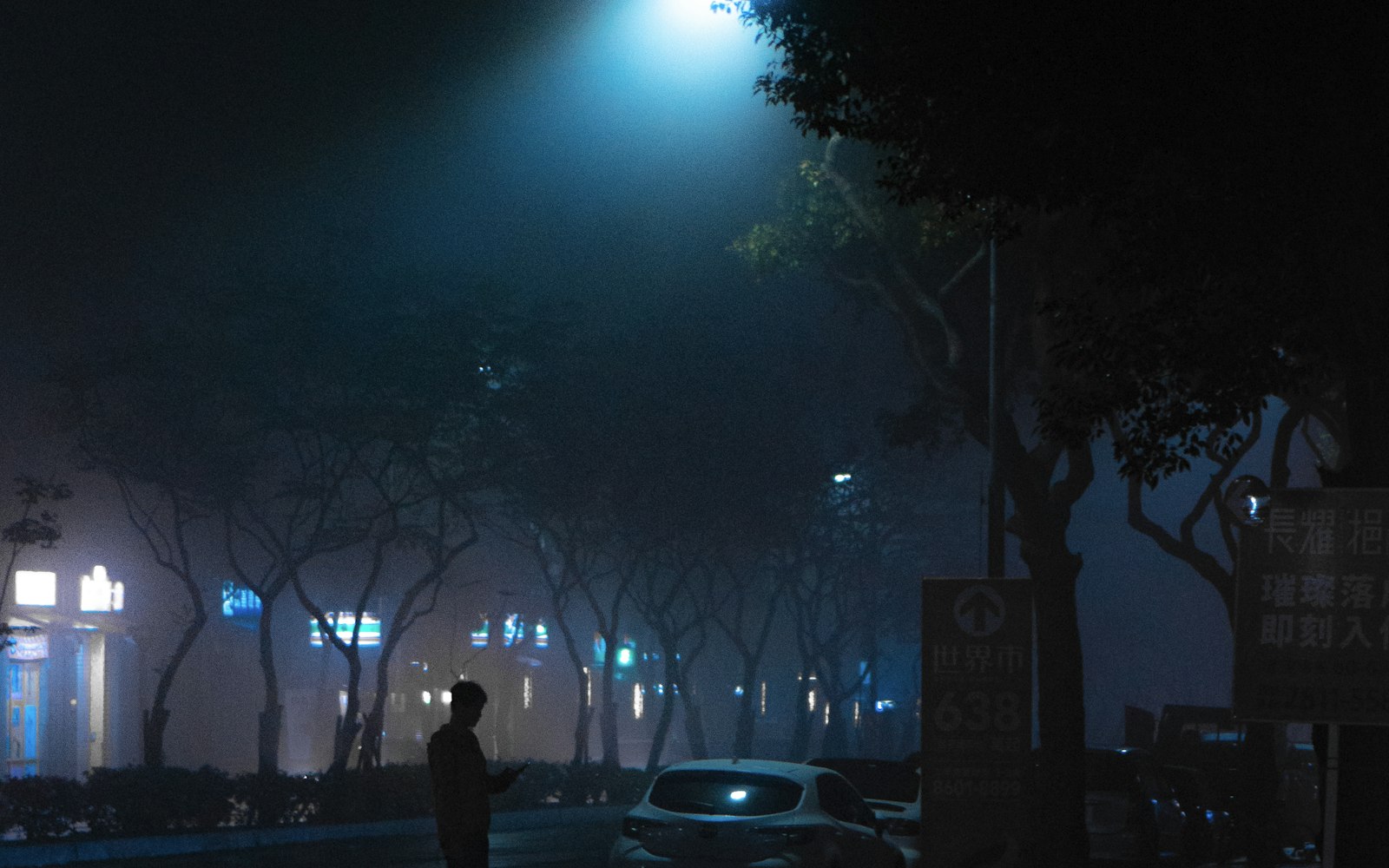
The clocks go back on Sunday 25 October 2026. From the Monday, a late-afternoon round finishes in the dark, the walk back to the van happens in the dark, and the early start begins in it too. Nothing about your legal duty of care changes on that date — but a meaningful share of your lone working quietly moves into conditions your summer risk assessment never described.
Most organisations write a lone working policy once and review it annually. That's fine for the principles. It's not fine for the controls, because between October and March the same job carries different risks: less visibility, colder exposure, worse road conditions, longer response times, and phone batteries that drain far faster in the cold.
What actually gets more dangerous between October and March
Four things, mostly. **Falls and slips** — ice on paths, yards, steps and farm tracks is the classic winter injury, and a fall that would be an inconvenience at 2pm in June becomes an exposure risk at 6pm in January. **Driving between jobs** — more lone workers drive in the dark on worse surfaces, and a single-vehicle incident on a rural road is one of the hardest emergencies to be found in. **Cold exposure after an incident** — the danger often isn't the injury itself, it's how long someone lies undiscovered in near-freezing conditions before anyone raises the alarm. **Confrontation risk after dark** — for anyone visiting homes, collecting, enforcing, or walking back to a vehicle alone, the same visit feels and behaves differently at night.
Notice what those four have in common: they all get much worse with time-to-discovery. Winter doesn't mainly increase the chance of something happening — it increases the cost of nobody noticing quickly.
The winter controls worth putting in before the first frost
Start with the check-in interval. If your standard welfare interval is two hours, that's a two-hour gap in which someone can be face-down on an icy yard in the dark. Shortening intervals for after-dark and lone-driving work is the single cheapest winter control there is, and it costs nothing but the setting.
Then make automatic detection non-optional for the jobs where it matters. A manual SOS only helps a worker who is conscious, uninjured enough to reach a phone, and not wearing gloves they'd have to remove. Fall and man-down detection covers the incidents where none of that is true — which is most of the serious ones.
Next, plan for where the signal isn't. Winter work doesn't stay on the mobile network map: rural rounds, estates, forestry, farm tracks and moorland roads all include blackspots, and a worker who can't get a call out is a worker who can't raise an alarm. If that's part of the job, the escalation path needs to work beyond mobile coverage rather than assume a bar of signal.
Finally, fix the end of the shift. A surprising number of winter near-misses are 'nobody realised they hadn't come back'. An end-of-shift sign-off that's actually checked — and that raises a flag when it doesn't arrive — closes the gap between the last job and the next morning.
A ten-minute winter review of your lone working policy
You don't need to rewrite the policy. Work through five questions and write down the answers. One: which of our tasks will now happen in the dark that didn't in summer? Two: for each, has the check-in interval been shortened to match? Three: if a worker is injured and cannot press anything, what notices — and how long does that take? Four: where on our patch does the mobile signal fail, and what happens to an alarm raised there? Five: who is on the escalation list at 6pm on a Friday in December, and have they been told?
If any answer is 'we'd find out at the end of the shift', that's the winter gap. It is the same gap that exists in July — the cold and the dark just make it far more expensive.
How Vygard covers the winter shift
Vygard runs on the phone workers already carry, with welfare check-ins you can set per task rather than per organisation — so the after-dark rounds get a tighter interval without changing anything for daytime work. A missed check-in escalates on its own rather than waiting for someone to notice.
For the incidents where nobody can press anything, automatic fall and man-down detection raises the alarm and shares live location, so responders are heading to the right place instead of searching a route. Where the work goes beyond mobile coverage, Vygard's satellite SOS integration carries the alarm out of the blackspot. And Howie, our AI dispatcher copilot, briefs whoever picks up the alert in seconds — which matters most at 6pm on a dark Friday when the person responding is not the person who planned the round.
Every alert, check-in and response is recorded, so the winter incident you hope never happens still produces the RIDDOR-ready trail your HSE obligations expect. If you'd like to see it against your own winter rounds, book a demo and we'll walk it through with your risk assessment open.
Frequently asked questions
- Do UK lone working rules change in winter?
- No — the legal duty is the same all year. What changes is the risk assessment behind it: the Health and Safety at Work Act requires you to assess the risks workers actually face, and darkness, ice, cold exposure and worse driving conditions are materially different risks from the same tasks in summer. The rules don't change; your controls should.
- How short should winter check-in intervals be?
- There's no legally fixed number — it depends on how long someone could safely go undiscovered after a realistic worst case. The practical test is cold: a two-hour interval that was reasonable in July can mean two hours on the ground in near-freezing conditions in January. Many organisations halve intervals for after-dark and lone-driving work for exactly that reason.
- What's the biggest winter lone working risk people underestimate?
- Time-to-discovery. Winter rarely creates entirely new hazards — it lengthens how long an injured lone worker waits and raises what that delay costs. That's why automatic detection and shorter check-ins do more for winter safety than almost any other control.
- What happens if a lone worker has an accident somewhere with no mobile signal?
- With a phone-only system, nothing — the alarm never leaves the blackspot. If your patch includes rural rounds, forestry, farms or moorland roads, your escalation path needs to work without mobile coverage; Vygard supports satellite SOS so an alarm raised off-grid still reaches a response.
- Does cold weather affect lone worker phones and devices?
- Yes — battery capacity drops noticeably in cold conditions, and a phone that comfortably lasted a shift in summer may not in January. Build it into the winter plan: charging in the vehicle, a power bank for long rounds, and check-in settings that flag a device going quiet rather than assuming the worker is fine.
Related guides
Last updated 2026-09-25