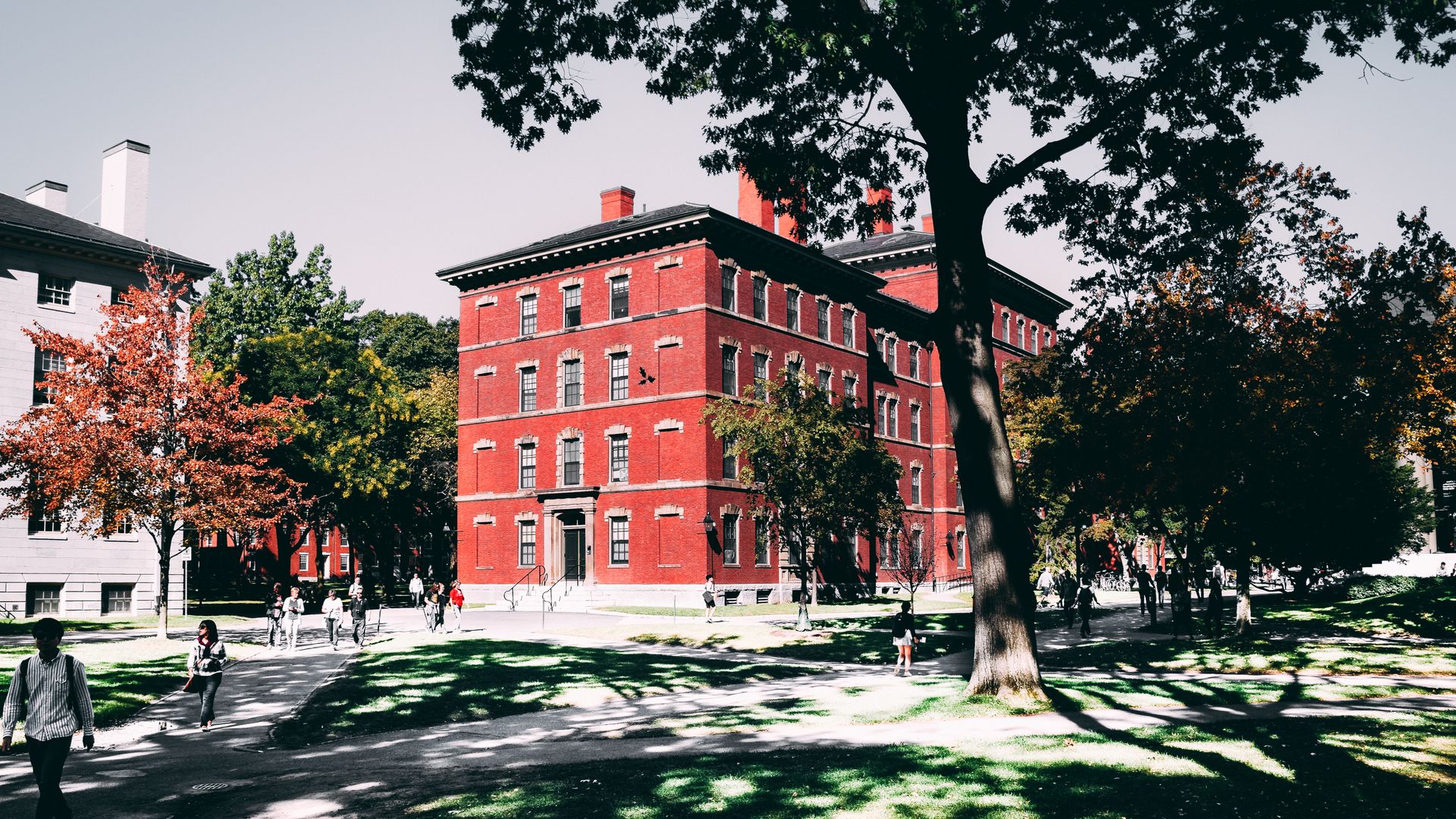
Schools and colleges picture lone working as someone else's problem, but it runs right through education: caretakers and site teams opening and locking up alone, education welfare officers and family-support workers making home visits into unknown situations, and teaching and admin staff working late in empty buildings. Each carries a duty of care, and the controls are the same ones that work everywhere else, a fast way to raise the alarm, check-ins, and a response that answers.
Where lone working hides in education
The obvious one is the site team. A caretaker opening up before anyone arrives, or locking down a dark, empty site at night, is a lone worker in every sense, often doing physical work alone around plant and machinery.
The less obvious ones matter just as much. Education welfare officers, attendance staff and family-support workers make home visits into exactly the unpredictable situations social workers face. Teachers, technicians and office staff work late in buildings that are otherwise empty. And peripatetic staff move between sites alone all day.
What good cover looks like
For site teams: one-tap and voice SOS plus automatic fall and man-down detection, so a caretaker who has an accident alone in a boiler room is not found in the morning, and check-ins around open-up and lock-down.
For home-visiting staff: pre-visit risk information, a discreet silent alarm, and timed check-ins so an overdue worker is noticed fast. For everyone working late or across sites: an easy way to say I am here and I am leaving, and an alarm that reaches a response at any hour. Behind all of it, an escalation chain and an audit trail.
How Vygard fits a school or college
Vygard gives education staff one-tap and voice SOS, a silent duress alarm, automatic fall and man-down detection, timed check-ins with automatic escalation, and live location, on the phone and the watch they already carry. A site manager or business manager sees who is on site, who is out, and who is overdue, from one console, and every alert is logged.
To see it across a real site and a visiting team, book a demo at /demo or talk to us at /contact.
Frequently asked questions
- Do schools have a legal duty towards lone-working staff?
- Yes. A school or college is an employer, and the Health and Safety at Work Act and the Management Regulations require it to assess and control lone-working risks, for caretakers, visiting staff and anyone working in an empty building, the same as any other employer.
- Who in a school is actually a lone worker?
- More people than most schools assume: caretakers and site teams opening and locking up, education welfare officers and family-support staff on home visits, peripatetic staff moving between sites, and teaching, technical or office staff working late in otherwise empty buildings.
- How is this different from a panic alarm in reception?
- A fixed panic button only helps someone standing next to it. Lone-working cover travels with the person, a caretaker across a dark site, a welfare officer on a home visit, so they can raise the alarm wherever they are, and it still reaches a response out of hours.
- Can one system cover site staff and home-visiting staff together?
- Yes. Site teams and visiting staff face different risks but need the same core, SOS, fall detection, check-ins, escalation and audit, configured per role and managed from one console.
Related articles
- Lone Worker Safety for Social Workers and Home-Visit Staff
- Vygard Family: Know They Got There Safe
- Lone Worker Safety for Facilities, Cleaning and Caretaking
- Lone Worker Safety in Social Housing: Protecting Frontline Staff
- Introducing Vygard: Safety for Everyone Who's on Their Own
- Keeping a Loved One Safe When They're Alone
Last updated 2026-11-10